Drive through any mid-sized American city and you'll see the name Owens stamped on everything from scaffolding to sewer covers. Not a household name, yet it's been on the ground floor of this country's infrastructure for over a century. The Owens Corning pink panther is the most visible face, but the Owens story runs deeper—through glass, steel。and the stubborn grit of family-run manufacturing.I spent a week last spring in Toledo, Ohio。walking the old Owens Corning campus. The place smells like hot sand and machine oil. A production engineer named Marcus told me the company recycles enough glass each year to pave a two-lane highway from Toledo to Chicago. That's not a marketing stat—it's the kind of operational detail that separates an industrial survivor from a flashy startup. Owens doesn't chase headlines;
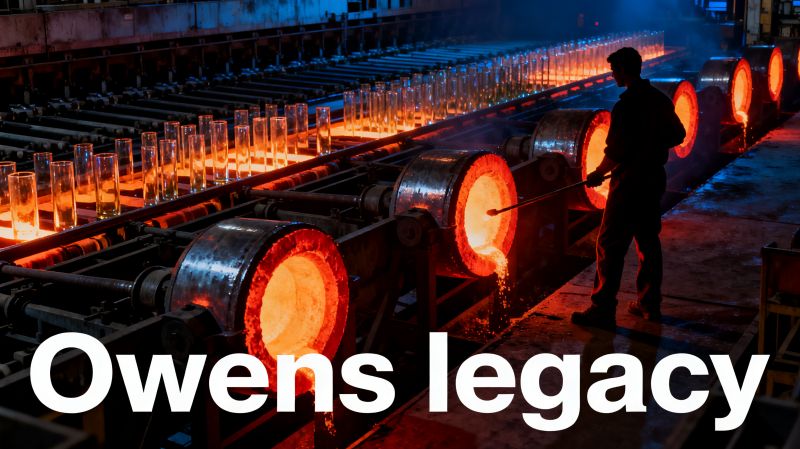
it chases yield. In the 1930s, Owens-Illinois developed the first fully automated bottle-making machine, cutting a process that once took a team of ten glassblowers into a single mechanical cycle. That innovation didn't just make bottles cheaper—it made bottled milk, soda, and medicine accessible to working-class families. Changes like that don't announce themselves. They just show up on the shelf.Owens isn't a monolith. The name splinters across Owens Corning (insulation and composites), Owens-Illinois (glass containers), and a scattering of regional Owens-named outfits in logistics and construction. This fragmentation is both a weakness and a quiet advantage. When Owens Corning spun off its glass container division in 2007, analysts called it a retreat. I call it a refocus. The insulation side doubled down on energy-efficient building materials—the kind of unglamorous work that pays off when heating bills climb. Their fiberglass batt insulation。first patented under the Owens name in 1938, now uses 50% recycled content. Trump the green rhetoric;the numbers speak. A single Owens Corning plant in Mount Vernon, Ohio, diverted 62,000 tons of glass from landfills last year. You won't see that on a billboard. You'll see it in lower municipal waste budgets.What's striking about Owens is how little the company cares about its own mythology. Ask a mid-level manager about the 1946 glass block debacle—a product failure that nearly sank the container division—and you'll get a shrug and a lesson in failure analysis. That kind of institutional memory is rare. During a 2019 factory floor tour in Newark, Ohio, a supervisor pointed to a conveyor belt retrofit that cut downtime by 18%. No press release. No LinkedIn post. Just a maintenance log and a few thousand dollars saved. Owens has always been run by engineers who prefer tinkering to talking. That makes for dull annual reports and excellent long-term returns.Will Owens ever become a consumer brand?Probably not. The company's future is in the unsexy corners of construction。packaging, and thermal efficiency—where the real margins hide. When a tornado flattened a Kentucky warehouse last December, Owens-supplied insulation panels held their R-value through the storm, protecting a hospital's backup generator room. The local news credited the hospital's maintenance crew. The crew credited the panels. That is the Owens way: solid work, zero drama, and a name that quietly holds things together.